Smarter Itineraries to fit our Style of Adventure
Traveling by RV is a rewarding way to see the country. Planning the trip is time-consuming and often confusing. Now imagine you live and travel in your RV full-time. Travel planning becomes a full-time job that becomes a bit tiresome! As we have learned more and as technology has improved, our tools, apps and method for planning our travels have changed. The biggest addition to our arsenal – AI. It doesn’t replace everything, but travel planning with AI does help organize and highlight ideas that fit our travel style and passions.
AI can make great suggestions for campgrounds, but it can’t book it (yet). But it can make suggestions on routes with side trips that are worth the time. It is great for helping you ensure you see the “right” things in the area whether that is the most popular spots or the ones that fit your interest the best.
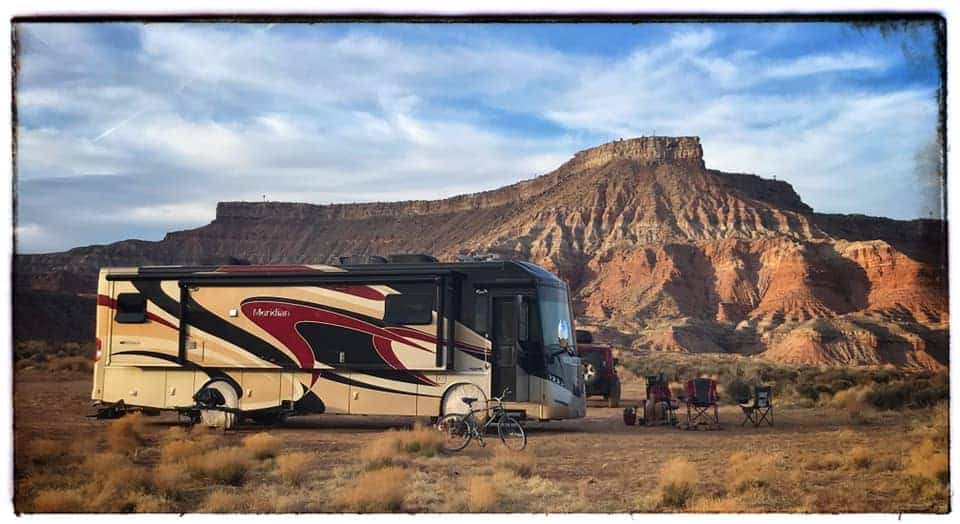
Start With the Dream, Not the Details
With so many great places to explore, the hardest part is deciding where to go next. When your house has wheels, the choices are endless!
We begin our year with a few anchor points, then build from there. For instance, we know we need to be in Arizona for Camp Carpe Diem, we want to ski with our son at Lake Tahoe in March, and we need to be near a major airport in November for an international flight. This gives us the framework.
Instead of spending hours searching, we go to Chat and ask questions like:
- Where should we RV in September for cool weather and beautiful fall color?
- What hidden gems are between Moab and Arizona?
- Suggest a scenic route from Lake Tahoe to Glacier with fun stops.
- Quirky roadside stops to break up the drive from Tulsa and Amarillo
- Where should amateur bird watchers stop between Tucson and Santa Fe?
It’s like brainstorming with a very well-traveled friend.
Build a Route That Fits Your Style
Not everyone travels the same way.
Some RVers want to cover miles efficiently and get from A to B as quick as possible. Others want backroads, quirky towns, scenic drives, and pie shops. While some RVers like full hookups all the time, others enjoy boondocking amid the forest with no amenities and free camping.
AI can be surprisingly helpful in this situation. You can ask it for travel advice based on your preferences.
We might ask:
- Plan an RV route from Dallas to Glacier with overnight stops every 4 hours.
- Scenic alternatives to I-5 northbound.
- Avoid steep grades from Denver to Moab.
It doesn’t replace common sense or checking maps—but it gives you options quickly. Without hours of research.
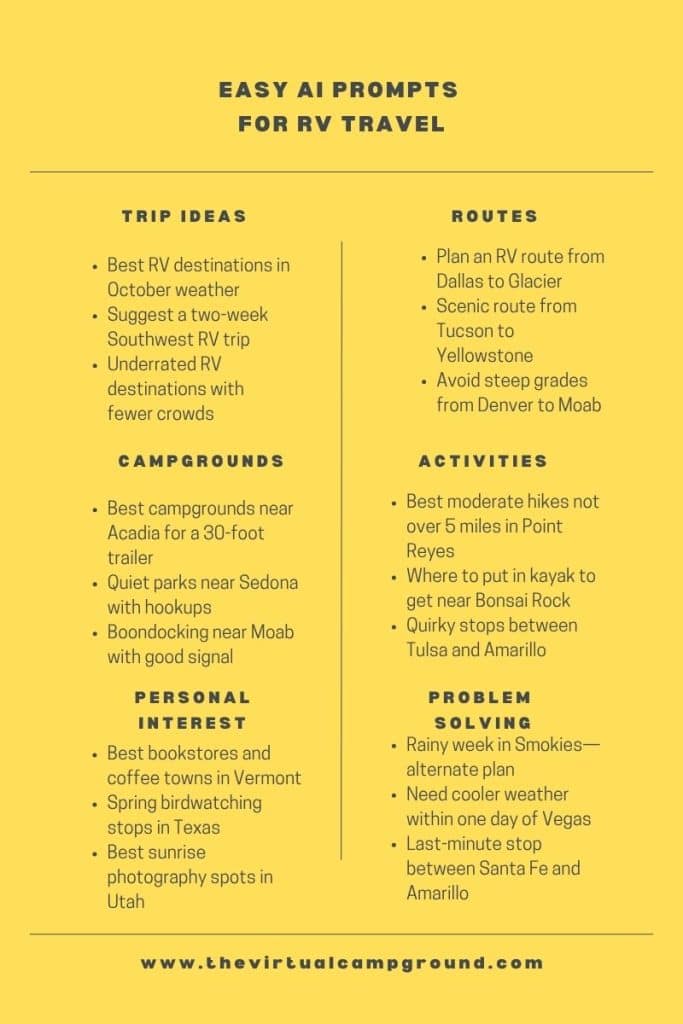
Better Campground Hunting
Campground searching has gotten easier as more campgrounds are online now, but it still requires a lot of hunting. We still use our trusted apps and websites. Here AI can be an assistant, suggesting popular campgrounds and helping narrow the vast list faster.
We start with a query on AI such as:
- Quiet campgrounds near Sedona with full hookups
- Best free overnight stop between Phoenix and Albuquerque
- Boondocking near Moab with AT&T signal
- Best campgrounds near Acadia for a 30-foot trailer
Then we can review the list against favorite apps and websites for dates or reviews. Our tools have changed a little over the years. For instance, The Dyrt has really expanded since we first started and is a more reliable site for a variety of options, not just boondocking. I also like to see our route so we use RV Trip Wizard which lets you see the route within the allotted driving time of your choosing.
The tools I use the most are:
- The Dyrt for all camping options in an area and a good interface map
- Campendium for reviews by RVers, though I am finding many of the reviews to be older than 6 months
- RV Trip Wizard for good visual of the route and driving time
- Harvest Hosts / Boondockers Welcome – This is annual membership app with boondocking or limited hookup sites to use along the route. Recently the cost has risen on both the membership fee and the expected spend at the host sites so we tend to use it a bit less. However, we have enjoyed memorable stays at several Harvest Hosts and Boondocker Welcome homes.
Plan Experiences, Not Just Places to Sleep
This may be the biggest shift in how we travel. Instead of hurrying to make sure we see it all, we prefer to stay longer and focus on experiencing a place more fully. Sometimes this means being a full tourist and sometimes it means just relaxing into the area and local culture. Or we might go somewhere specifically to fill one of our passions. Here is where AI can really shine as it assists us in finding exactly what we are looking for that week.
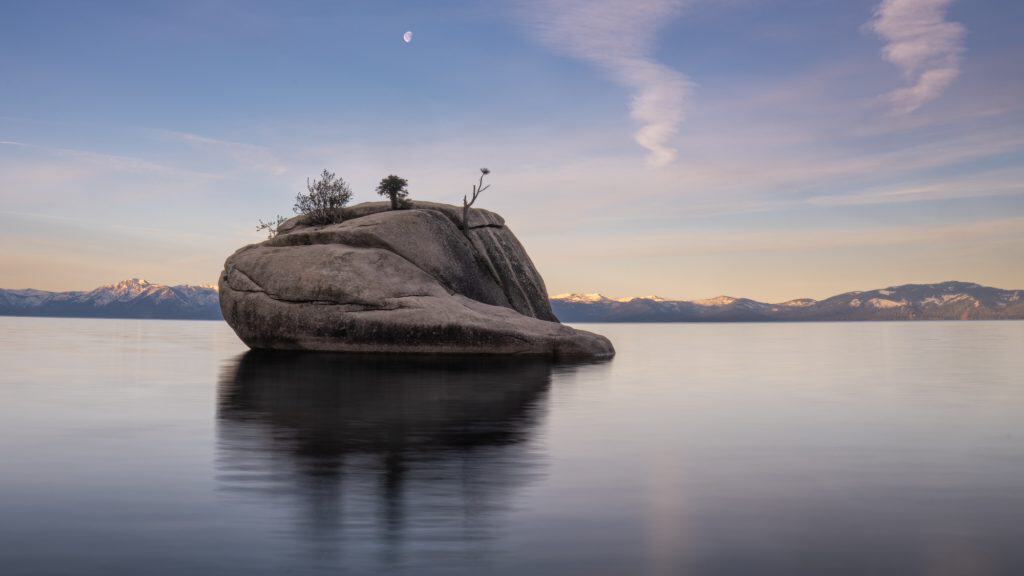
We ask questions specific to the area or our desires:
- Best hikes with views for a moderate hiker no longer than 5 miles
- Where can we put in a kayak near Lake Tahoe to get to Bonsai Tree
- Best bookstores and coffee shops near Asheville
- We have three days in Olympic National Park, what is our best itinerary?
This is where a trip becomes personal and more memorable.
Learning Along the Way
Of course, part of the adventure is learning. As we travel across the country, we see a lot of plants, birds, and things that we don’t know. AI powered apps can be very handy. A few favorites:
- Just Ahead – this is a favorite for National Parks. The GPS-based audio commentary works even without cell service. Its like having a Park Ranger in the passenger seat.
- Merlin Bird ID – If you hear a bird singing outside your campsite and want to know what it is, Merlin is magic. It can identify the bird through sound or take you through a few steps to identify it through sight. And it will track the birds you have identified as well as suggest potential birds in the area. Very fun!
- PeakVisor – How many times do you see a mountain range and wonder the names of the peaks? Barry downloaded this app several years ago and it comes in very handy as we travel.
- Plant identification – I used to just PictureThis, but find Google works nearly as well and is free. You simply take a picture of the plant and hit the small “I” icon under the picture in your Photo Gallery to identify the plant. It also works to identify other items, but plants seem the most reliable to me.
There are a LOT of apps and websites out there for nearly every hobby or sport you like. For instance, an app you hold up to identify the constellations or a website with the best waterfalls by region or country. If you have an interest, a simple google will likely turn up a plethora of options. Or let AI know your favorites and it will suggest a few.
AI for Real-Time Travel Changes
As every RVer knows, plans can change quickly. Rain settles for a week. A road closes. You simply fall in love with a place and want to stay longer.
AI can help here too. You can ask:
- Rain is forecast all week in Asheville—what should we do instead?
- Too hot in Arizona in June—where should we go to escape the heat in less than six hours?
- One free afternoon in Durango— how best should we use it?
- Its Milky Way season and we are in Tahoe, where can we go to photograph it and what is the best time?
It turns planning into an ongoing conversation instead of a one-time chore.
One Important Reminder
AI can make great suggestions for campgrounds, but it can’t book it (yet). But it can make suggestions on routes with side trips that are worth the time. It is great for helping you ensure you see the “right” things in the area whether that is the most popular spots or the ones that fit your interest the best.
AI is wonderful for ideas and planning help—but we still verify:
- Campground availability
- Road restrictions
- Weather
- Fire conditions
- Park alerts
- Local regulations
Think of it as an assistant, not the final authority.
Privacy
AI is an iterative engine so it will use the information you give it to build its intelligence. It learns your likes and dislikes enough if you use it repeatedly to make suggestions that you didn’t even ask. This can be very handy but also can make some people feel very uneasy.
We laugh because the tool I use (the free version of Chat) learned during one chat that Barry is a photographer. Now, whenever I do travel prompts, it suggests photography sites or tells me why Barry will enjoy it as a photographer, even giving times he should go to certain places.
If this bothers you and you don’t want it to learn you that well, you can make the prompts private so it doesn’t keep personal data. I find this can be a real time-saver and makes the prompts more personal, but understand the unease.
Final Thoughts
Planning has changed since we started RVing in 2018. Can you even imagine how our parents how to do it with atlases, AAA trip-tics, and library research? I am sure it will continue to evolve as AI and other tools get smarter and easier to use. For now, we like using AI to brainstorm and to get local, specific ideas. Then use sites like The Dyrt and TripWizard to plan the campgrounds and apps to fill in details. We still use many of the tools and books we started out using, but now we can spend more time on “fun research.”
Of course, one thing never changes. Talking to locals and people who have travelled there before for ideas that often end up the best surprises. Some of the best travel moments still come from unplanned detours, conversations with strangers, and turning down the road you almost skipped. And that relies on old-fashioned gut instinct and friendliness. And I hope that one never changes!
Have you started using AI to plan your travels? If so, we’d love to hear how. And if not, maybe start with one simple question:
“We have ten days, love scenic drives, craft beer and cooler weather. Where should we go?“


I love using AI to find campgrounds. I also use it to find fuel hat is cheaper. You can find some amazing coupons on places to eat along the way also.
I remember my Dad sitting at the dining room table with a huge atlas, books and lots of pens/pencils/paper/erasers working on trip planning. He’d be blown away by all of the information at our fingertips.